
By Keith Stieneke
Influencer marketing has become one of the most effective ways for brands, affiliate marketers, network marketers, and online business owners to build trust, reach new audiences, and increase engagement.
As discussed in my earlier article on digital marketing topics, there are many types of online marketing. In this article, we will focus specifically on influencer marketing and how to identify the right influencer for your brand.
What Is Influencer Marketing?
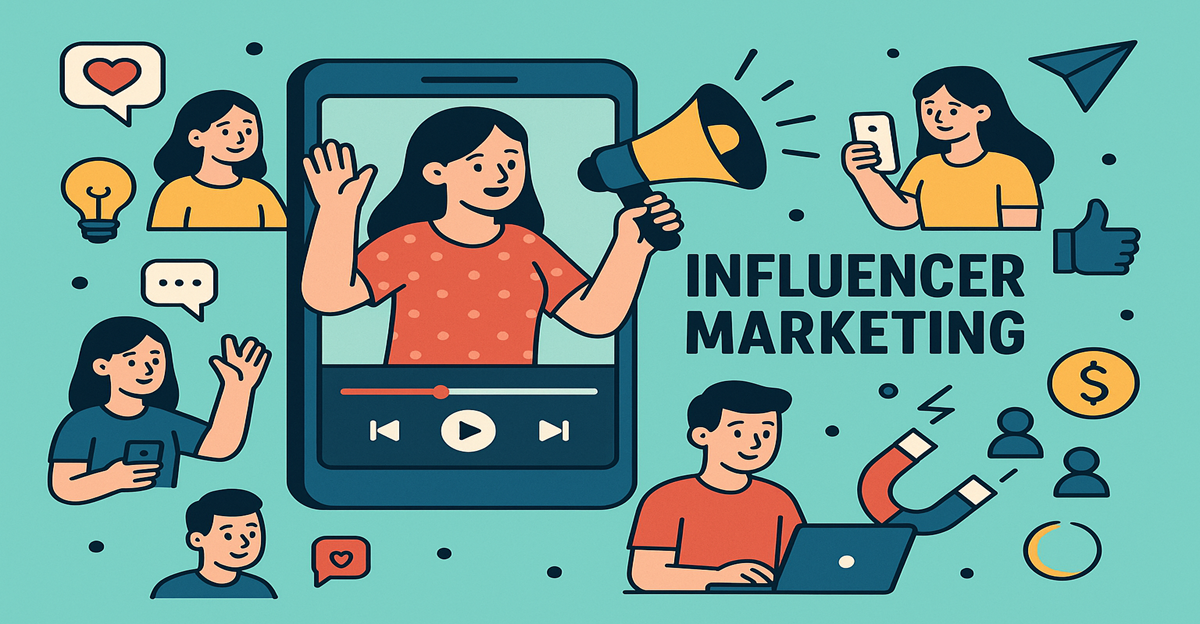
Influencer marketing is a form of digital marketing where a brand partners with a person who already has the attention and trust of a specific audience.
Think of an influencer as the trusted friend who always seems to know what products, tools, services, or opportunities are worth checking out. Their followers listen because they feel connected to them.
That is the real power of influencer marketing. It is not just about promotion. It is about trust, relationship, and social proof.
Types of Influencers
Not all influencers are the same. Before choosing one for your campaign, it helps to understand the different levels of influencers.
Macro Influencers
Macro influencers usually have large audiences, often with hundreds of thousands or even millions of followers. They can give a brand massive exposure, but they may not always have the most personal connection with their followers.
Micro Influencers
Micro influencers have smaller audiences, but they often have stronger engagement. These influencers usually focus on a specific niche, such as fitness, beauty, business, technology, personal development, or online marketing.
Nano Influencers
Nano influencers may have a small following, but their audience is often highly loyal. These influencers can be especially effective for local businesses, niche products, affiliate offers, and community-based promotions.
In many cases, a smaller influencer with strong engagement can produce better results than a large influencer with a passive audience.
Why Influencer Marketing Works
Influencer marketing works because people often trust recommendations from real people more than they trust traditional ads.
Good influencers do more than mention a product. They tell stories, share personal experiences, and explain why something matters to their audience.
This taps into several powerful marketing principles:
- Trust
- Relatability
- Social proof
- Authority
- Emotional connection
Influencer marketing may feel modern because it happens on platforms like Instagram, TikTok, YouTube, Facebook, and LinkedIn, but the basic idea is not new. Word-of-mouth marketing has always been powerful. Social media simply made it faster and more visible.
Start With Your Brand Goals
Before choosing an influencer, you need to understand what you want the campaign to accomplish.
Are you trying to build brand awareness? Get more website traffic? Generate leads? Increase sales? Grow your email list? Promote an affiliate or network marketing offer?
Your goal should guide the type of influencer you choose.
Common Influencer Marketing Goals
- Increase brand awareness
- Build trust with a target audience
- Drive traffic to a website or landing page
- Generate leads
- Promote a product, service, or business opportunity
- Grow social media followers
- Improve engagement
If you are also building your online presence, you may find my article on how to blow up on TikTok helpful, especially when thinking about short-form content and audience attention.
Match the Influencer to Your Audience
The right influencer is not always the person with the biggest audience. The right influencer is the person whose audience overlaps with your ideal customer.
For example, if your brand is about health and wellness, you probably want an influencer who already talks about fitness, nutrition, lifestyle, energy, or personal improvement.
If your brand focuses on affiliate marketing or online business, you may want someone who creates content around entrepreneurship, side hustles, digital marketing, or work-from-home opportunities.
The closer the audience match, the stronger the campaign can be.
How to Identify the Right Influencer
Finding the right influencer takes more than scrolling through social media and picking someone who looks popular. You need to evaluate credibility, engagement, content style, audience fit, and brand alignment.
1. Check Their Credibility
Look at the influencer’s past content. Do they seem trustworthy? Do they promote everything under the sun, or are they selective?
An influencer who promotes too many unrelated offers may have less credibility with their audience. You want someone whose recommendations still feel meaningful.
2. Look at Engagement, Not Just Followers
Follower count can be misleading. A person may have a large audience but very little real interaction.
Pay attention to:
- Comments
- Shares
- Likes
- Video views
- Audience questions
- Real conversations
A smaller influencer with active followers can often outperform a larger influencer with low engagement.
3. Study Their Content Style
The influencer’s content should feel like a natural fit for your brand.
If your brand has a professional tone, you may not want an influencer whose content is chaotic or overly casual. If your brand is fun and energetic, a stiff or formal influencer may not connect well.
The goal is for the promotion to feel natural, not forced.
4. Review Their Audience
Ask yourself whether the influencer’s audience matches the people you want to reach.
Consider:
- Age range
- Location
- Interests
- Buying behavior
- Problems they want solved
- Platforms they use most
This matters because even a great influencer will not help much if their followers are not interested in what you offer.
5. Use Influencer Research Tools
Tools such as BuzzSumo and HypeAuditor can help you research influencers, review engagement, analyze audience quality, and identify better partnership opportunities.
You can also use Google Analytics to track website traffic, conversions, and campaign performance after an influencer campaign begins.
The Rise of AI Influencers
Another trend worth watching is the rise of AI influencers. These are virtual personalities created with artificial intelligence, digital art, branding, and content strategy.
AI influencers can be designed to stay perfectly consistent with a brand’s message, appearance, and tone. They can also create content without the scheduling limitations of human influencers.
However, AI influencers also come with challenges. They may lack the emotional depth and real-life experience that human influencers bring to the table. Some consumers may also be skeptical if they feel a brand is not being transparent.
If a brand uses AI influencers, honesty is important. Audiences should know when they are interacting with a virtual or AI-generated personality.
Influencer Marketing and Disclosure
One important part of influencer marketing is disclosure. If an influencer is being paid, receiving free products, or benefiting from a promotion, that relationship should be made clear.
The FTC’s influencer disclosure guide explains that influencers should clearly disclose brand relationships when making recommendations or endorsements.
This protects both the influencer and the brand. More importantly, it helps maintain trust with the audience.
Creating a Winning Influencer Campaign
Once you have identified the right influencer, the next step is building a campaign that is clear, trackable, and easy to understand.
Step 1: Create a Campaign Plan
Start with a simple plan. Define the message, the offer, the platform, and the call to action.
Your influencer should understand what you want to communicate, but they should also have room to say it in their own voice. That is what makes the content feel real.
Step 2: Set Key Performance Indicators
Key Performance Indicators, or KPIs, help you measure whether the campaign is working.
Common influencer marketing KPIs include:
- Website clicks
- Email signups
- Sales
- Leads
- Engagement rate
- Follower growth
- Video views
- Coupon code usage
Step 3: Track the Results
After the campaign goes live, study the data. Look at what worked and what did not.
If the campaign brought traffic but no sales, the landing page may need improvement. If people engaged with the content but did not click, the call to action may need to be clearer.
Influencer marketing is not just about exposure. It is about learning what moves people to take action.
Step 4: Build Long-Term Relationships
The best influencer partnerships are often long-term. When an influencer becomes familiar with your brand, their content can become more natural and more persuasive.
Treat influencers as partners, not just advertising outlets. A good relationship can lead to better content, stronger trust, and more consistent results over time.
Final Thoughts
Identifying the right influencer for your brand is not about chasing the biggest name. It is about finding the right voice, the right audience, and the right message.
A successful influencer marketing campaign starts with clear goals, strong audience alignment, authentic content, and measurable results.
Whether you are promoting a brand, affiliate offer, network marketing company, digital product, or online business opportunity, influencer marketing can help you reach people in a more trusted and personal way.
If you are interested in learning more about digital marketing and online business growth, visit my About Me page or read my article on Wealthy Affiliate and online marketing training.
About the Author
Keith Stieneke has studied and implemented marketing strategies for several years, including publishing two different business opportunity tabloids during the early 1990s. Today, he focuses on practical digital marketing, affiliate marketing, network marketing, and online business strategies.
Subscribe to Keith’s email list here: https://llpgpro.com/6rgtjmck/